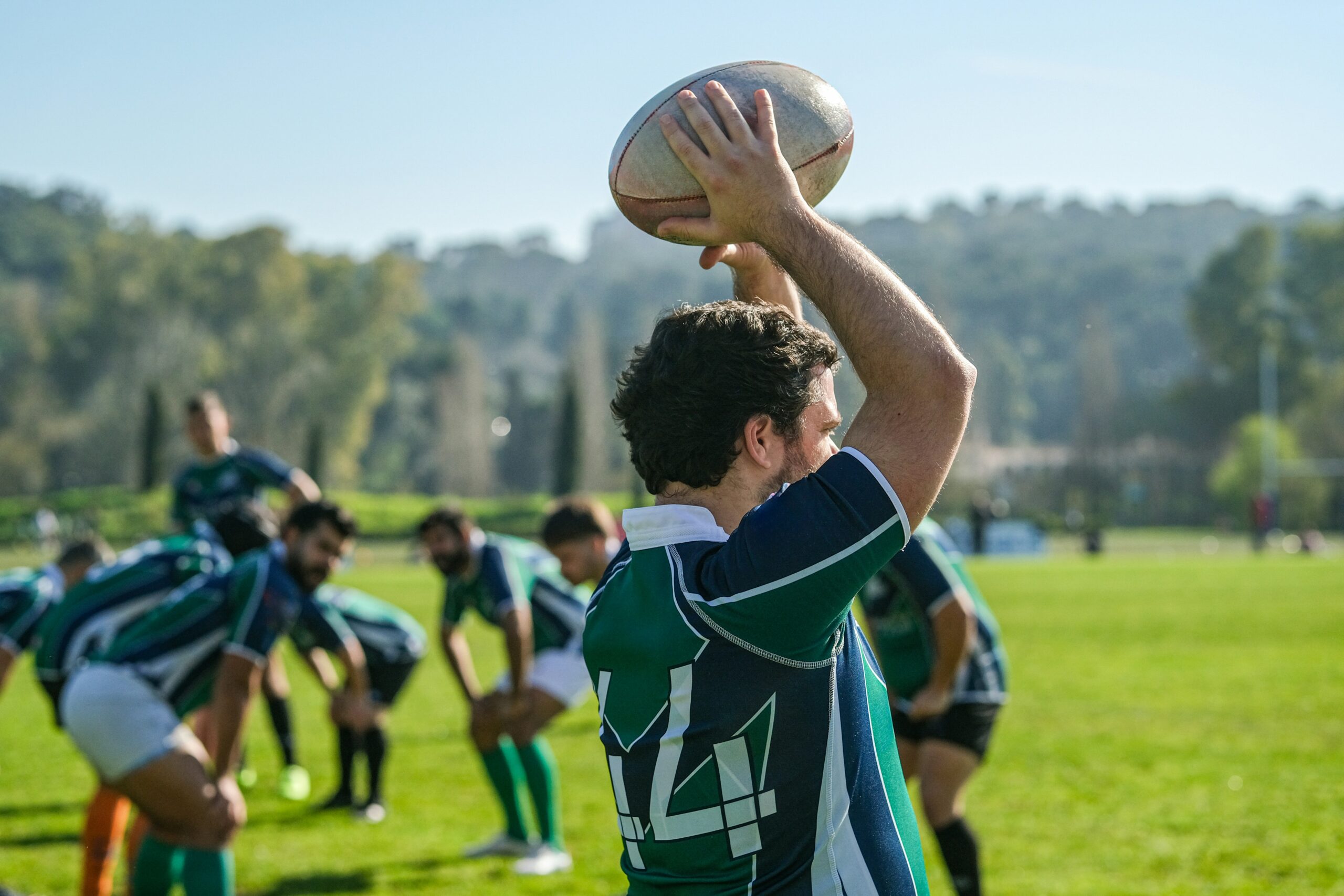
For sports enthusiasts, achieving success goes beyond raw talent. Whether you are a player, fan, or coach, applying proven strategies can significantly improve performance, engagement, and enjoyment. Understanding what works allows athletes to optimize training, fans to deepen their experience, and coaches to guide teams more effectively. With the right approach, every sports enthusiast can reach higher levels and enjoy the journey.
Strategies are most effective when they are practical and easy to implement. Sports are fast-paced, and small adjustments often lead to big results. By focusing on fundamentals, preparation, and mindset, enthusiasts can maximize their impact both on and off the field. These strategies combine skill development, mental focus, and planning to help anyone score big.
Setting Clear Goals
One of the first steps to achieving success is setting clear, realistic goals. Goals provide direction and motivation, allowing athletes to focus on what matters most. By defining both short-term and long-term objectives, enthusiasts can measure progress and maintain momentum throughout the season.
In addition, goal-setting encourages accountability. When athletes track their achievements, they stay motivated and are more likely to overcome obstacles. This strategy works for fans as well, as having personal or team-related goals can increase engagement and enjoyment of the sport.
Developing a Consistent Training Routine
Consistency is critical for improvement in any sport. A structured training routine builds strength, skill, and endurance over time. By committing to regular practice, athletes can reinforce proper techniques and gradually improve performance.
Moreover, consistent routines reduce the risk of injury. Predictable schedules allow the body to adapt and recover properly, while also developing mental discipline. Sports enthusiasts who embrace a steady training plan often see the biggest results, both physically and mentally.
Focusing on Nutrition and Hydration
Physical performance depends heavily on proper nutrition and hydration. Athletes who fuel their bodies with the right foods and fluids maintain energy levels, improve recovery, and enhance endurance. Balanced meals with protein, carbohydrates, and healthy fats provide sustained energy for practice and competition.
Hydration is equally important. Drinking enough water and electrolytes prevents fatigue, cramps, and decreased focus. By prioritizing nutrition and hydration, sports enthusiasts can perform at their best while avoiding common setbacks that interfere with progress.
Prioritizing Mental Training
Sports are as much mental as they are physical. Techniques like visualization, mindfulness, and positive self-talk help athletes focus, manage stress, and perform under pressure. By training the mind alongside the body, enthusiasts gain confidence and resilience.
Additionally, mental strategies help maintain motivation during challenges. Whether facing a tough opponent, a losing streak, or personal setbacks, mental preparedness helps athletes stay composed and proactive. Incorporating mental training into a routine makes a significant difference in long-term success.
Leveraging Technology and Analytics
Modern sports provide opportunities to improve performance using technology. Wearable devices, fitness trackers, and performance apps deliver data that helps athletes understand strengths and weaknesses. By analyzing this information, enthusiasts can fine-tune skills and optimize training routines.
Technology also supports goal tracking and progress measurement. Keeping performance records helps athletes make informed decisions and adjust strategies as needed. This approach allows sports enthusiasts to continually refine techniques and maintain a competitive edge.
Learning from Experts and Mentors
Seeking guidance from coaches, trainers, and experienced players accelerates development. Experts provide feedback, correct mistakes, and share insights that are difficult to learn independently. By learning from professional peers, enthusiasts can avoid common pitfalls and adopt best practices more quickly.
Mentorship also fosters motivation and accountability. Having someone invested in your growth encourages persistence and focus. Sports enthusiasts who actively seek advice often advance faster and achieve higher levels of performance than those who try to navigate challenges on their own.
Practicing Strategic Game Play
Success in sports often depends on understanding the game, not just physical ability. Learning strategies, formations, and tactics enhances decision-making during competitions. By anticipating opponents’ moves and planning responses, athletes gain an advantage that can change the outcome of a game.
Strategic play also builds confidence. Knowing when to take risks, pass, or defend helps athletes perform efficiently under pressure. Fans benefit too, by studying strategy and understanding how teams execute plays. This knowledge deepens appreciation for the sport and improves engagement.
Emphasizing Recovery and Rest
Recovery is an essential, yet sometimes overlooked, part of sports performance. Adequate sleep, stretching, and rest days allow the body to repair and strengthen. Without proper recovery, athletes risk burnout, fatigue, and injury, which can undermine even the best training efforts.
In addition, recovery supports mental health. Time away from training or competition reduces stress and helps maintain motivation. By prioritizing recovery, sports enthusiasts can sustain performance, enjoy the game, and extend their athletic careers.
Building a Supportive Community
No athlete succeeds entirely alone. Surrounding yourself with supportive teammates, friends, and family provides encouragement and accountability. Engaging with a sports community also fosters learning, motivation, and shared enjoyment.
Being part of a network allows enthusiasts to exchange advice, celebrate achievements, and navigate challenges together. Whether through local clubs, online forums, or casual meetups, building a supportive community strengthens both skill and passion for the sport.
Tracking Progress and Adapting
Regular progress evaluation ensures that strategies remain effective. By reviewing performance metrics, reflecting on achievements, and identifying areas for improvement, athletes can adjust their approach and continue growing. This adaptive mindset prevents stagnation and maximizes long-term success.
Additionally, progress tracking encourages motivation. Celebrating milestones, no matter how small, reinforces commitment and confidence. Sports enthusiasts who consistently evaluate and adapt their strategies are more likely to reach their goals and maintain a high level of performance.
Scoring big as a sports enthusiast requires a combination of preparation, dedication, and smart strategies. From goal-setting and consistent training to mental focus, nutrition, and recovery, each element contributes to performance and enjoyment. By embracing these proven strategies, enthusiasts can improve skills, engage more deeply with the sport, and achieve personal success.
Ultimately, applying these strategies creates a well-rounded approach that balances physical training, mental resilience, and community support. Sports enthusiasts who commit to this process find that success is not just about winning games, but about growth, satisfaction, and long-term engagement.